There are a total
of 157 types of dog breeds recognized by the AKC (American Kennel
Club). The names of dog breeds are separated into different dog types
which are referred to as Dog Groups. Here are 5 of my favorites:
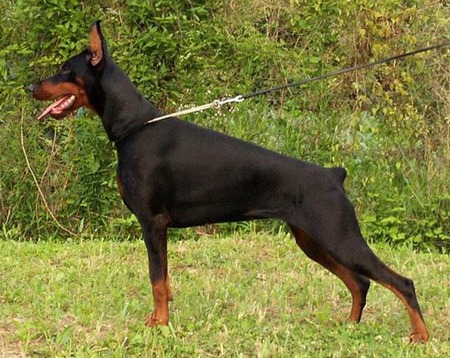
Dobermans:
Info: The Doberman Pinscher is a dog of medium large size, powerfully built and capable of great endurance and speed. Its body is compact and muscular, with the head, neck and legs in proportion to the body.The Doberman Pinscher is an energetic, friendly dog. It is a loyal and affectionate family member who loves to be physically close to members of the home. Some are family dogs, while others will fixate and shower most of their attention on one person. Dobermans can be aloof or aggressive toward strangers and other dogs, though this can be remedied with proper training.A highly energetic breed, the Doberman Pinscher needs vigorous exercise every day. This is a smart and obedient breed that enjoys learning tricks and games, and it is good to integrate such activities with your dog’s daily walk. Since this is a powerful breed with protective instincts, it is imperative that owners begin obedience training and socialization as early as possible – a poorly trained, mistreated or unexercised Doberman can be a dangerous Doberman. The dog has average tolerances for heat and cold, and is capable of living outside in fair weather. However, this devoted family dog is much happier inside with its loved ones. The Doberman Pinscher is an average shedder, and coat care is fairly basic – a weekly brushing should suffice. The most visible hereditary condition in this breed is the albino gene, though this gene is rare. Doberman Pinschers are vulnerable to canine hip dysplasia, osteosarcoma, von Willebrand’s, narcolepsy and progressive retinal atrophy.
Origin: Germany, 19th Century
AKC Group Classification: Working Group
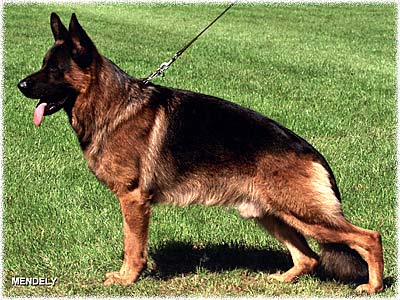
German Shepherd:
Info: With smooth curves and powerful, well developed features, the German Shepherd Dog is like the sports car of canines. The head is evenly proportioned, with no one feature standing out as exaggerated or out of place.The German Shepherd Dog is a perfectionist, and tackles any task with unrelenting tenacity. This singleness of purpose has made the breed an unequaled servant of man, but it also creates certain challenges that potential owners should be aware of. GSDs are extremely loyal to and protective of their family. As such, proper socialization and training of this breed is imperative, since it has both the means and the inclination to attack those it sees as a threat to its people. German Shepherds are not particularly friendly toward other dogs or strangers, but they usually get along with children and other pets. The breed is uniquely intelligent and eager to learn and perform new tasks; give the dog a task to complete and it will love you for it. The German Shepherd Dog needs regular physical and mental exercise. A vigorous run or challenging game is ideal. Do not let your GSD become bored or inactive, as this is a sure way for aggressive and antisocial tendencies to develop.
Origin: Germany, 19th Century
AKC Group Classification: Herding Group
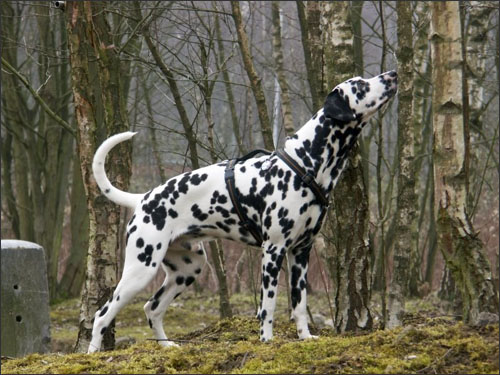
Dalmatian:
Info: The Dalmatian is a strong, symmetrical, athletic dog with a distinguished spotting pattern. The body is square, strong, and sturdy, and the skin and coat are tight on the body. The head carries an alert and intelligent look with moderately sized brown or blue eyes, and the ears are wide at the base and taper to a rounded tip.The playful and happy Dalmatian was bred to run, and therefore has a lot of energy. Dalmatians are not good yard dogs because they love their families and can become very sad and even depressed without human companionship. They are very well known for their ability to remember for years any bad treatment they have suffered. The Dalmatian is an active dog indoors and out, so apartment life is not suggested unless the dog can be taken out to release energy several times a day. A home with a yard is best so that the dog can go outside and play and come back inside with the family. The dog does not tolerate the cold well, so outdoor living in cool climates is not an option for this breed. However, even with a yard, the Dalmatian needs time daily to play with other dogs or go for a good run; without sufficient exercise and socialization, the Dalmatian can get into trouble at home. A breed known for actually avoiding puddles, Dalmatians are fairly clean dogs that are relatively odorless.
Origin: Yugoslavia, Antiquity
AKC Group Classification: Non-Sporting
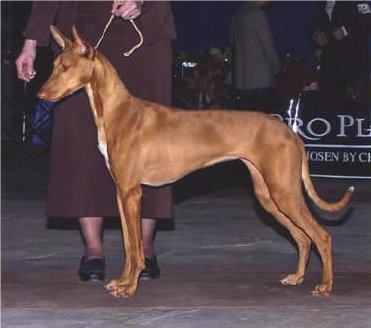
Pharaoh Hound:
Info: Medium sized with slender and well balanced lines, the Pharaoh Hound gives an impression of grace and power.The Pharaoh Hound has a friendly, intelligent, and playful nature. The breed bonds deeply with people and is quietly affectionate. The Pharaoh Hound has sensitive skin and should be washed with human baby shampoo or gentle dog shampoo.The Pharaoh Hound is willing to please and easily trained, making the breed suitable for hunting, coursing, and agility trials. The dog retains speed and hunting instincts both by sight and by scent. Caution should be observed when the dog is near small pets. The Pharaoh Hound’s intelligence and keenness makes the dog an excellent watchdog. However, the Pharaoh Hound does not make a good guard dog because it is rarely aggressive with people. The Pharaoh Hound is the only breed known to “blush” when it is excited, with the nose and ears turning rosy in color. Some Pharaoh Hounds may be timid.
Origin: Egypt and Malta, Antiquity
AKC Group Classification: Hound
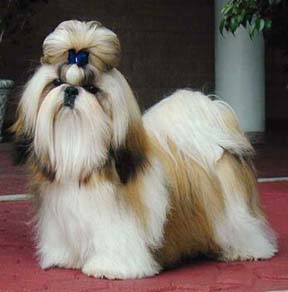
Shih Tzu:
Info: The Shih Tzu is one of the most popular of the Toy breeds. It is well known for its long, flowing, luxurious hair, which covers all of its body.Shih Tzus are known for being sturdy, attentive, energetic, and responsive dogs. They are best suited to being companion dogs, and are generally easy-going and affectionate. When in a playful mood, Shih Tzus can be feisty and mischievous. Because they are alert and attentive dogs, they make good watchdogs who are fond of barking. If surprised or startled, they can be snappish. Shih Tzus love attention and being spoiled. They are very clever and can be trained, although they are known to be stubborn and a trainer consequently needs to be very patient. Shih Tzus generally get along well with other pets and older children. They do not do well with babies or toddlers, as they have a strong sense of self-importance and can be jealous of little children. Shih Tzus are fairly easy to take care of, as they do not require a great deal of exercise. If the owner chooses to keep the hair long, it will require careful daily grooming.
Origin: China and Tibet, Antiquity
AKC Group Classification: Toy